

What Makes Steel Strands Indispensable in Modern Construction?
In the realm of modern engineering and construction, there exists a component that often goes unnoticed by the general public yet plays a pivotal role in ensuring the stability and durability of countless structures. That component is the steel strand. Composed of multiple high-tensile steel wires twisted together, steel strands are engineered to bear immense loads, making them indispensable in a wide range of applications.
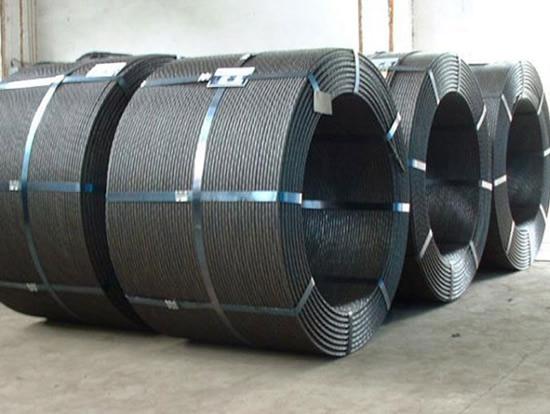
A macro shot showcasing the intricate twist of high-tensile steel wires in a steel strand, highlighting the uniform arrangement that contributes to its strength.
The manufacturing process of steel strands is a testament to precision and quality. High-quality steel rods are first drawn into wires of varying diameters, each subjected to rigorous testing to ensure they meet strict tensile strength standards. These wires are then carefully twisted together, with the number of wires and the twist pattern depending on the specific requirements of the application. The twisting process not only enhances the overall strength of the strand but also ensures uniform distribution of stress, allowing it to withstand both static and dynamic loads effectively.

A factory scene depicting the step-by-step production of steel strands, from wire drawing machines to twisting equipment, illustrating the precision involved in their creation.
One of the key advantages of steel strands is their exceptional strength-to-weight ratio. Compared to other structural materials, they offer superior tensile strength while remaining relatively lightweight, which simplifies transportation and installation. This characteristic makes them particularly valuable in large-scale projects such as bridges, where reducing dead weight without compromising structural integrity is crucial. In suspension bridges, for example, steel strands form the main cables that support the entire weight of the deck, spanning vast distances with remarkable stability.
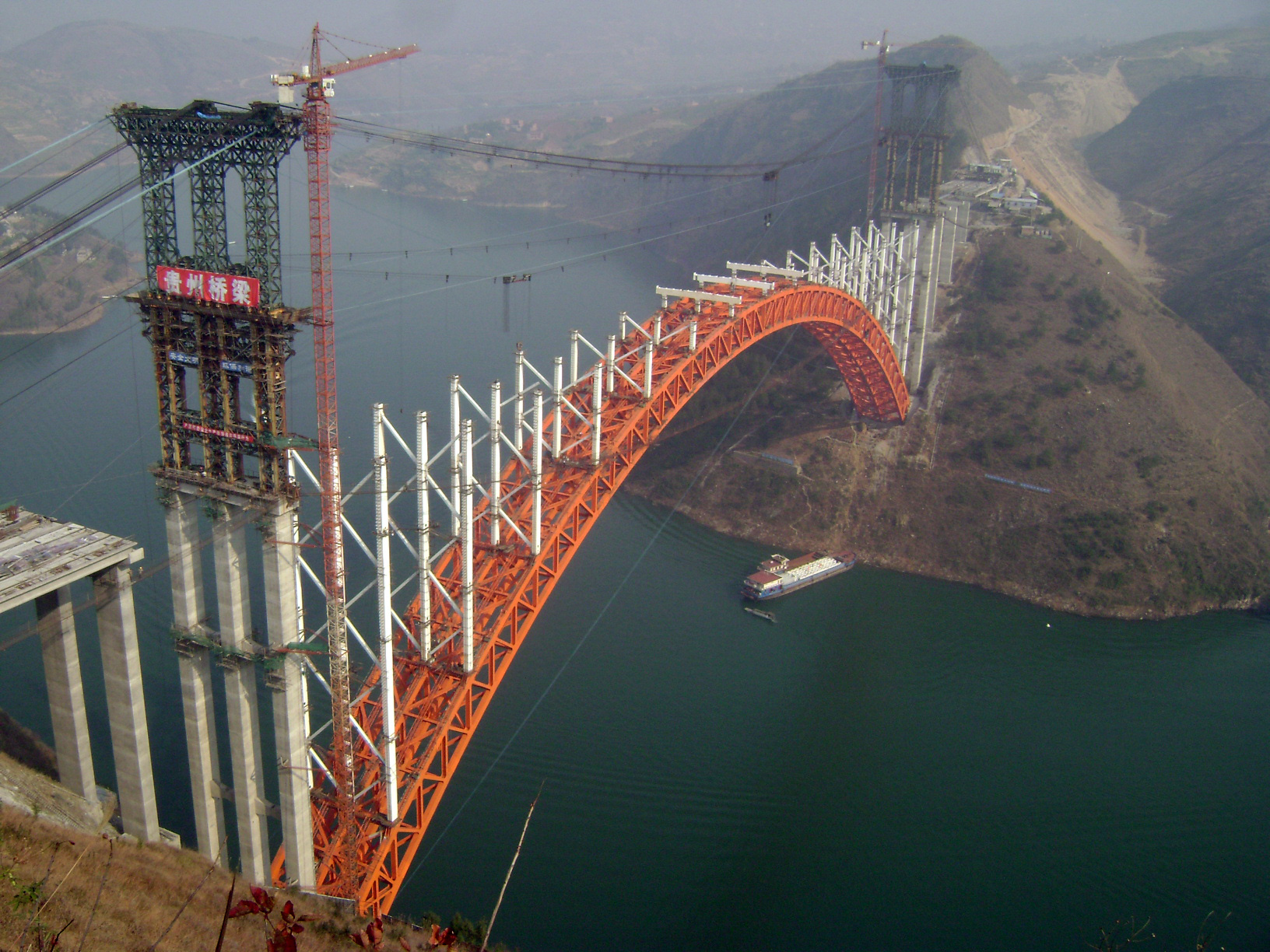
An aerial view of a suspension bridge, focusing on the thick steel strand cables that stretch between the towers, demonstrating their role in supporting massive structures.
Steel strands also find extensive use in pre-stressed and post-tensioned concrete structures. In pre-stressed concrete, the strands are tensioned before the concrete is poured, creating compressive stress that counteracts the tensile forces that would otherwise develop when the structure is loaded. This technique allows for the construction of longer spans and thinner sections, reducing material usage and costs. Post-tensioning, on the other hand, involves tensioning the strands after the concrete has cured, enabling adjustments to be made to the structural forces as needed. Both methods significantly enhance the strength and durability of concrete structures, making them more resistant to cracking and deformation over time.
Construction workers placing steel strands into concrete molds before pouring, showcasing the pre-stressing process in action.
Another important application of steel strands is in the field of geotechnical engineering. They are used in soil stabilization projects, such as retaining walls and slope reinforcement, where they help to distribute lateral forces and prevent soil movement. Additionally, steel strands are employed in the construction of tunnels, providing support to the surrounding rock or soil and ensuring the safety of the structure during and after excavation.
A cross-sectional view of a retaining wall with steel strands embedded to reinforce the structure and prevent soil erosion.
The versatility of steel strands extends beyond traditional construction. They are also used in the manufacturing of overhead power lines, where their high strength and corrosion resistance make them ideal for supporting heavy electrical cables over long distances. In the automotive industry, steel strands are utilized in the production of tires, contributing to their strength and durability.
Steel strands holding up electrical cables across a rural landscape, highlighting their role in infrastructure beyond construction.
To ensure the reliability and performance of steel strands, they must adhere to strict international standards. These standards govern every aspect of their production, from the quality of the raw materials to the testing procedures conducted on the finished product. Regular inspections and quality control measures are implemented throughout the manufacturing process to detect any defects or inconsistencies, ensuring that only the highest quality strands reach the market.
Technicians conducting tensile strength tests on steel strands in a laboratory, emphasizing the quality control measures in place.
In conclusion, steel strands may not be the most visible component of modern construction, but their impact is undeniable. Their exceptional strength, versatility, and durability make them essential in a wide range of applications, from bridges and buildings to power lines and beyond. As technology continues to advance, the development of new and improved steel strand formulations and manufacturing techniques will undoubtedly further enhance their performance, ensuring that they remain a cornerstone of the construction industry for years to come.